Giada La Gala
physicist · artist · science communicator · redacted (ask me in person)
Hello, this is my portfolio: a selection of things I have done, and the place where I will post updates on my current work.
I am an Amsterdam-based physicist, artist and science communicator. During my PhD I studied how light and motion interact at the smallest scales. In my artistic practice I carry that experimental approach out of the lab and into performance and installation, where light is transduced to sound and the experiment expands to meet perception and emotion. At the University of Amsterdam I work between both worlds: I write about quantum research, bring artists and quantum scientists together, and look for ways to talk about what this technology might mean for society.
Log
- 2026
Reality comes in waves – transducing the subject talk at the conference Bodies as Transducers, Orpheus Instituut, Ghent, 5 November event
- 2026
Societal challenges around post-quantum cryptography talk, then panel with Paolo Cirio, moderated by Matteo Fabbri, SPUI25, Amsterdam event video
- 2026
Quantum computing? What the hǝck? introduction to quantum computing and Qiskit workshop (with Koen Leijnse), then an assembly: quantum, culturally considered. [tbd] schedule
- 2026
Un sonido por venir closing presentation of the Postnatural Independent Programme, La Casa Encendida, Madrid event
- 2026
Postnatural Independent Programme Institute of Postnatural Studies, Madrid
- 2025–26
Amsterdam Light Festival, 14th edition jury member
- 2025
Reality comes in waves MFA graduation, Artificial Times, Sandberg Institute, Amsterdam work review Artificial Times
- 2025
Faramita performance, OT301, Amsterdam info
- 2025
Rewire 2025 performance, Grey Space, The Hague
- 2024–25
Quantum & art programme curator, University of Amsterdam
- 2020
Glancing at tiny vibrations: backaction evading measurements of mechanical motion close to the quantum regime PhD thesis, TU Eindhoven / AMOLF thesis
- 01 · λ 633 nm Science communication QuSoft and QDNL at the University of Amsterdam
- 02 · λ 589 nm Art MFA at the Sandberg Institute; performance with sculptural instruments
- 03 · λ 532 nm Physics PhD in quantum optomechanics at AMOLF; Postdoc at the Italian Institute of Technology
- 04 · λ 473 nm Writing "Quantum" as a polysemy: a media studies paper in progress
- 05 · λ 405 nm Collectives Free software, feminist tech, and a hacklab
Science communication
University of Amsterdam, now
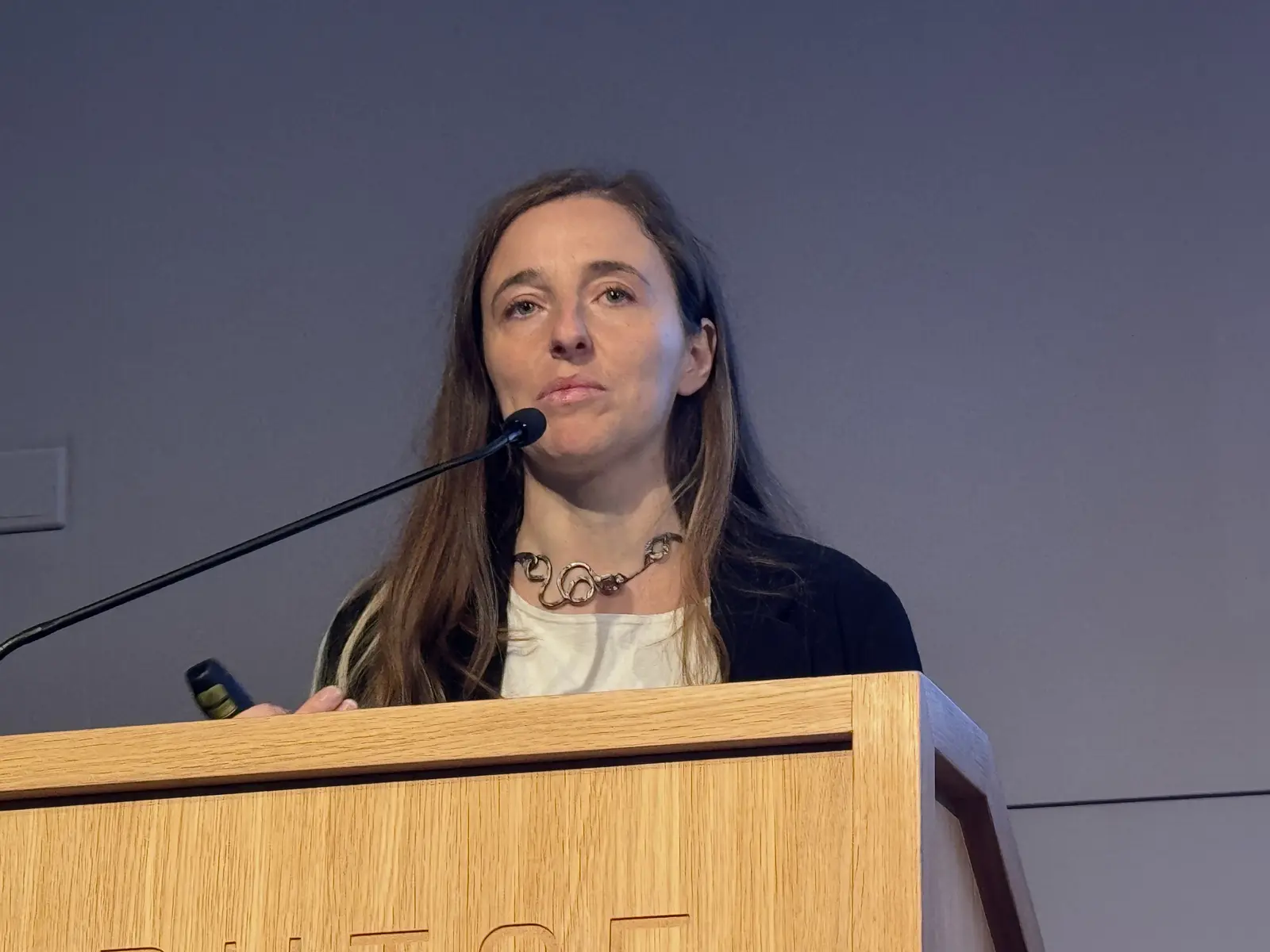
At the University of Amsterdam I am science communication advisor for QuSoft, the Dutch research centre for quantum software. There I am immersed in academic research in mathematics, theoretical physics and computer science. I write articles that help disseminate the academic research and dedicate myself to outreach projects such as the Quantum Experience. I am also project and content lead for QDNL, the national quantum programme. My role is setting up collaborations between artists and quantum scientists. Broadly, I look for ways to talk about what this technology might mean for society, beyond the hype.
- 2026
Societal challenges around post-quantum cryptography talk, then panel with Paolo Cirio, moderated by Matteo Fabbri, SPUI25, Amsterdam event video
- 2026
Polish art network visits UvA roundtable and presentation, University of Amsterdam
- 2025–26
Amsterdam Light Festival, 14th edition jury member
- 2024–25
Quantum & art programme curator, University of Amsterdam
- 2024
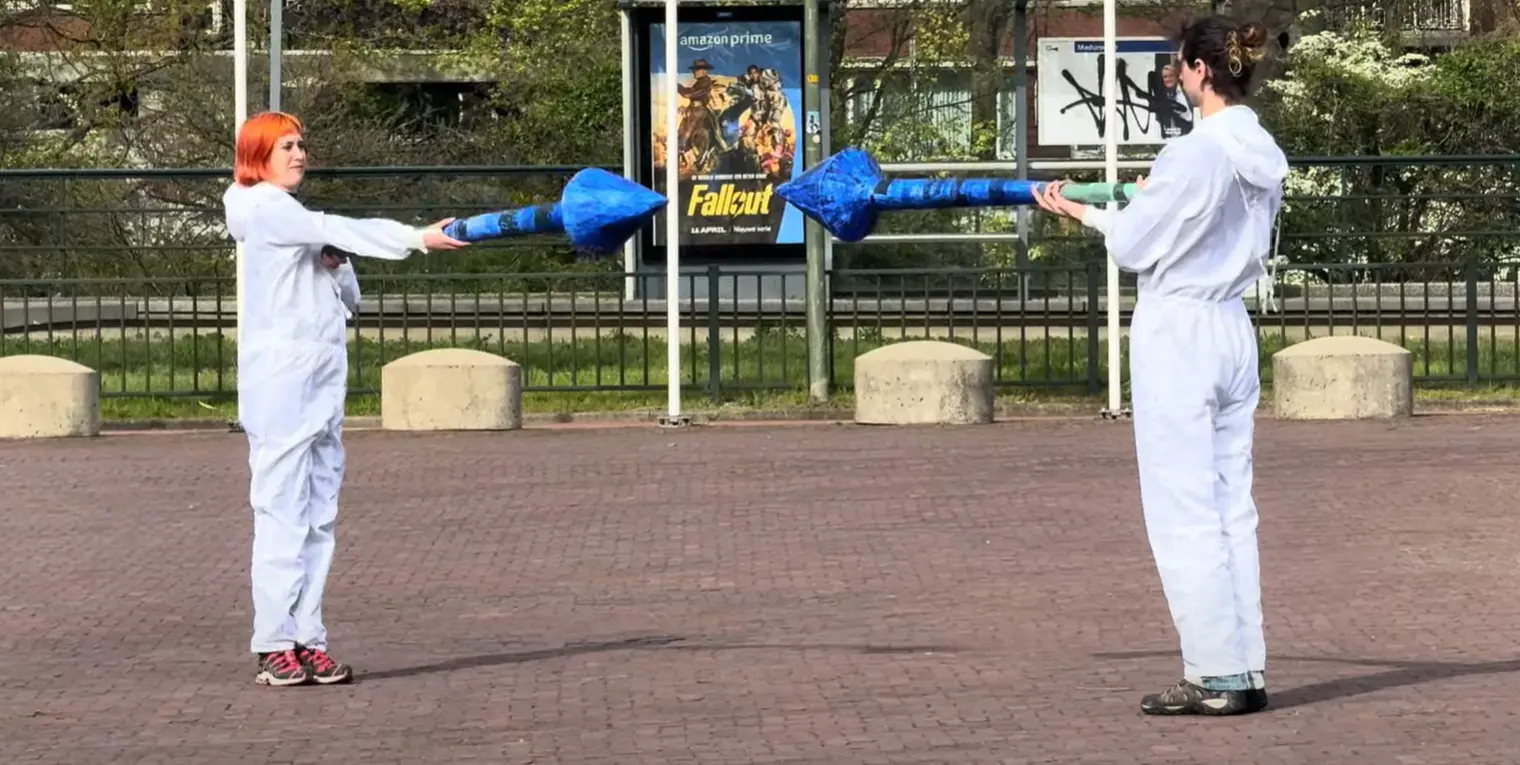
Quantum duet: miniature worlds and giant qubits performance for World Quantum Day; concept Giada La Gala, music Andy Pavlov, performers Stefano Melissa and Livia Bertacca
- 2024
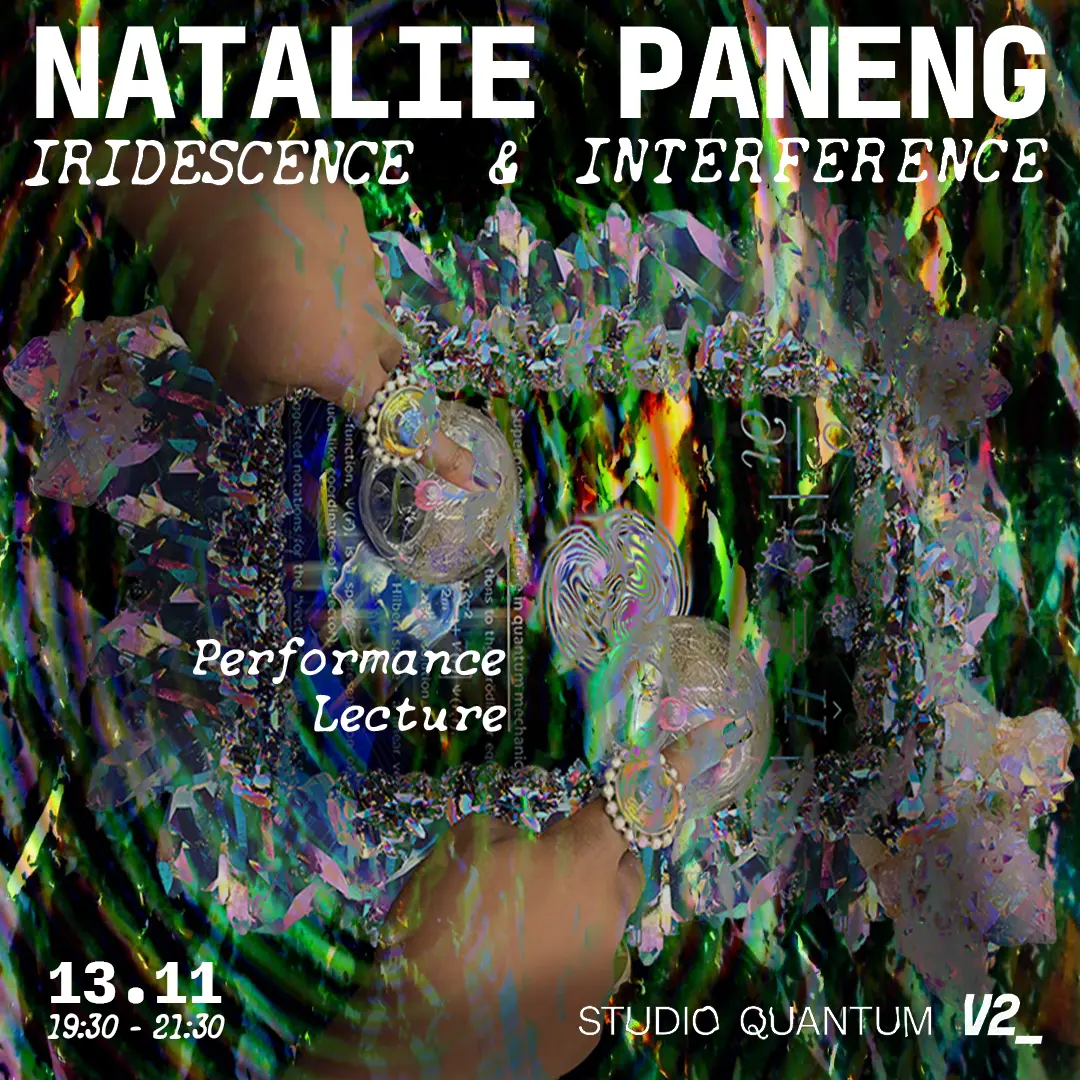
Studio Quantum roundtable at The Evening of Iridescence and Interference with Natalie Paneng, V2_, Rotterdam event
- 2023→
Quantum Experience QDNL Amsterdam, ongoing page
Art
Sandberg Institute MFA 2023 to 2025 · Postnatural Independent Programme 2026 · now
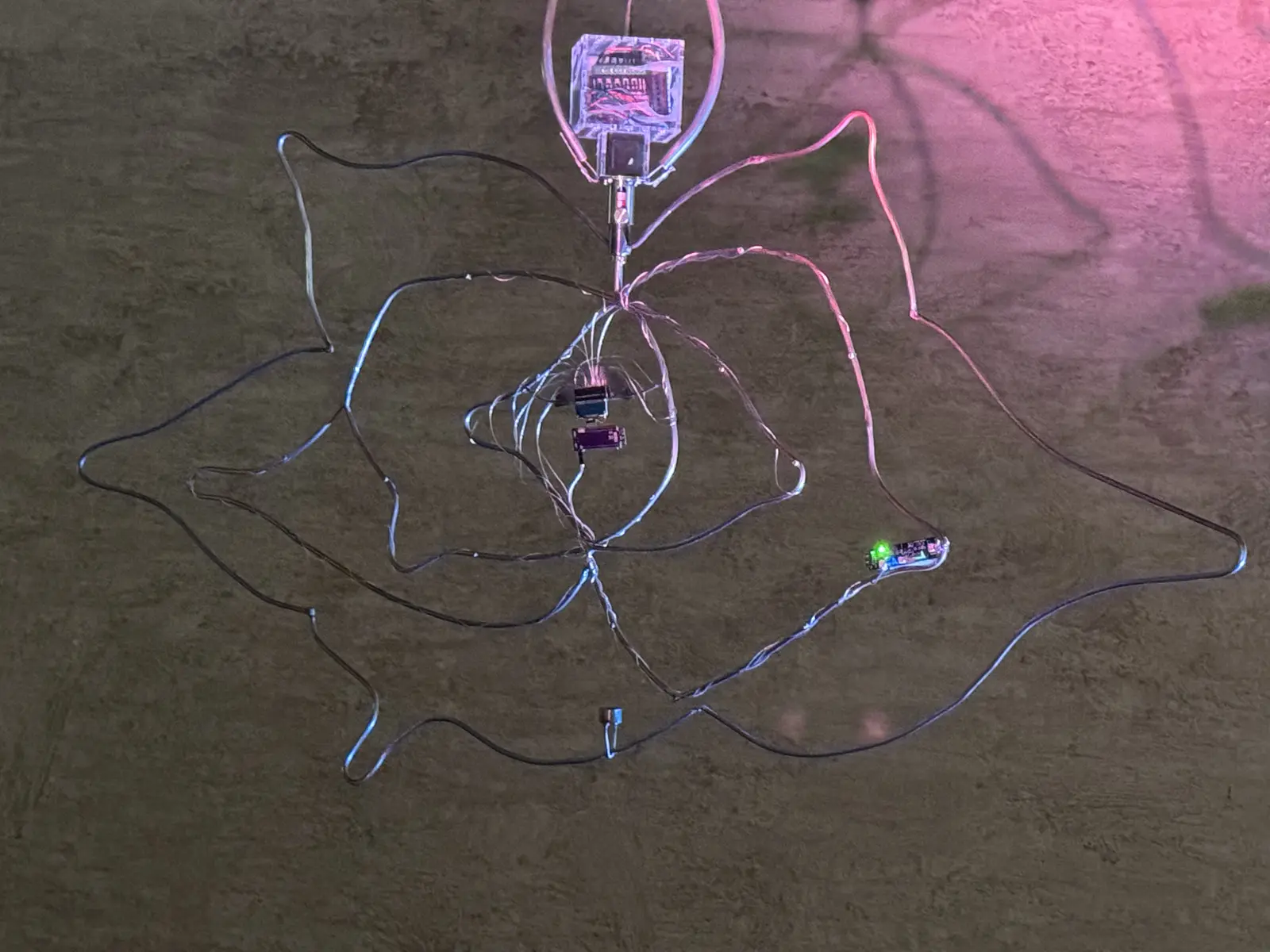
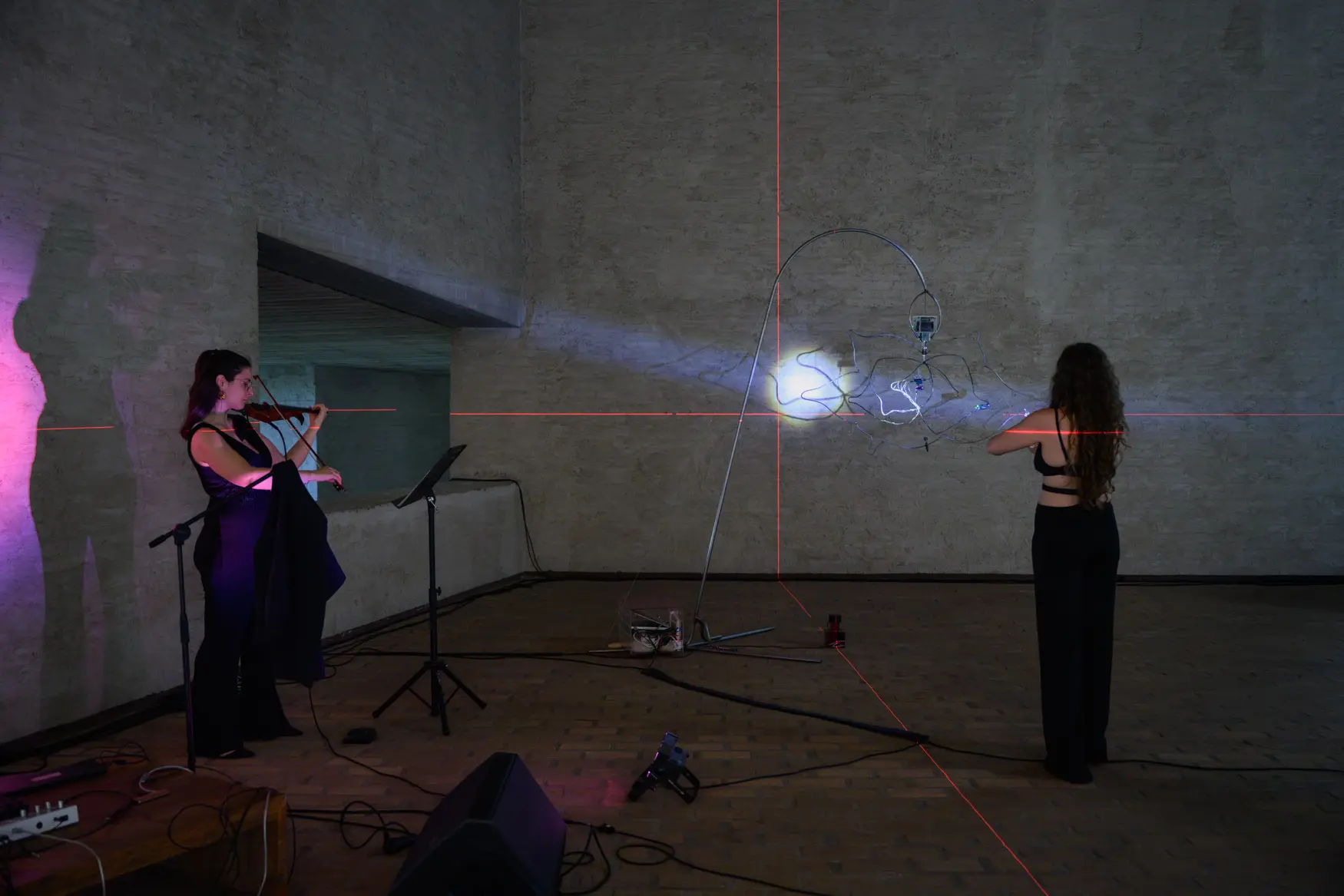
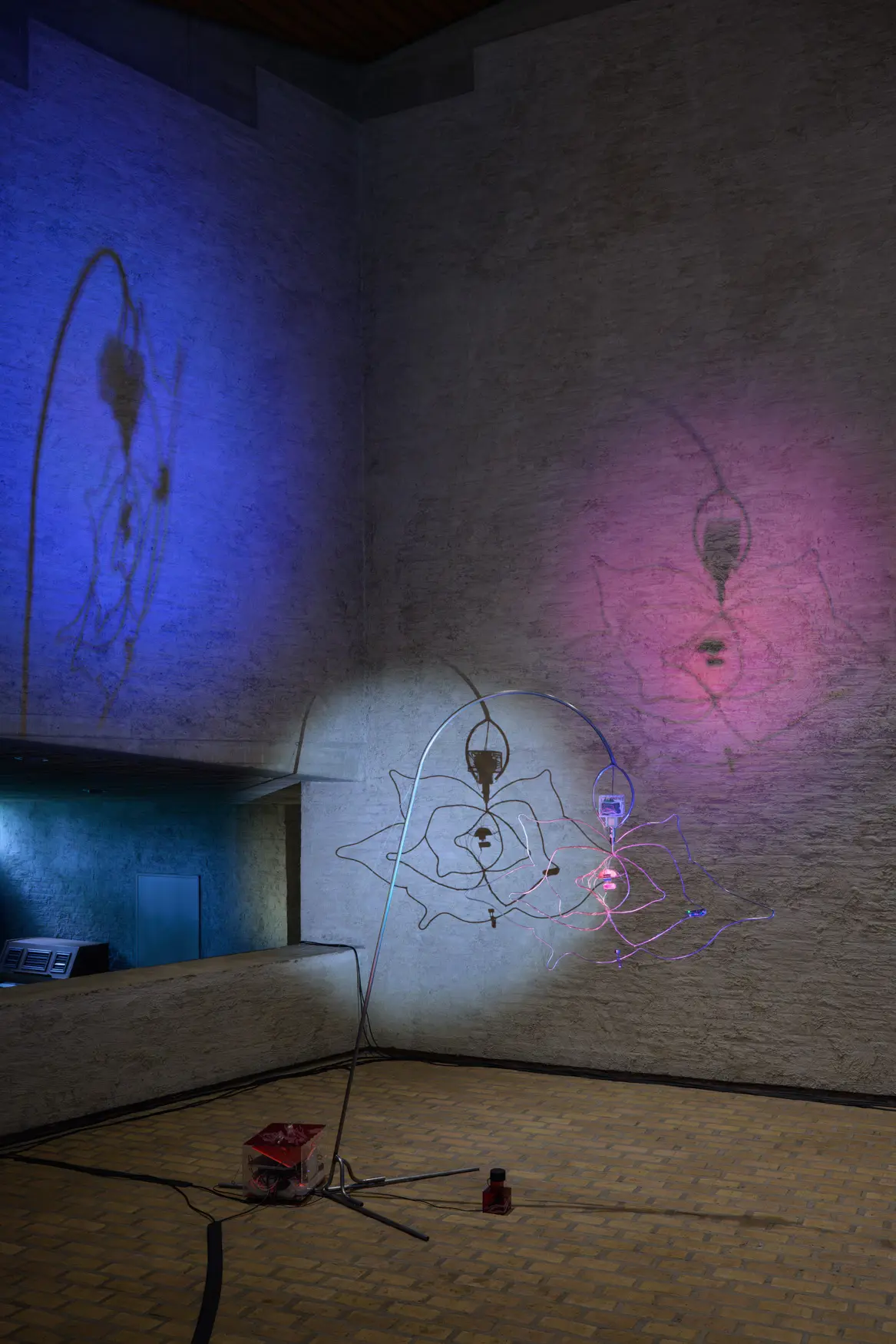
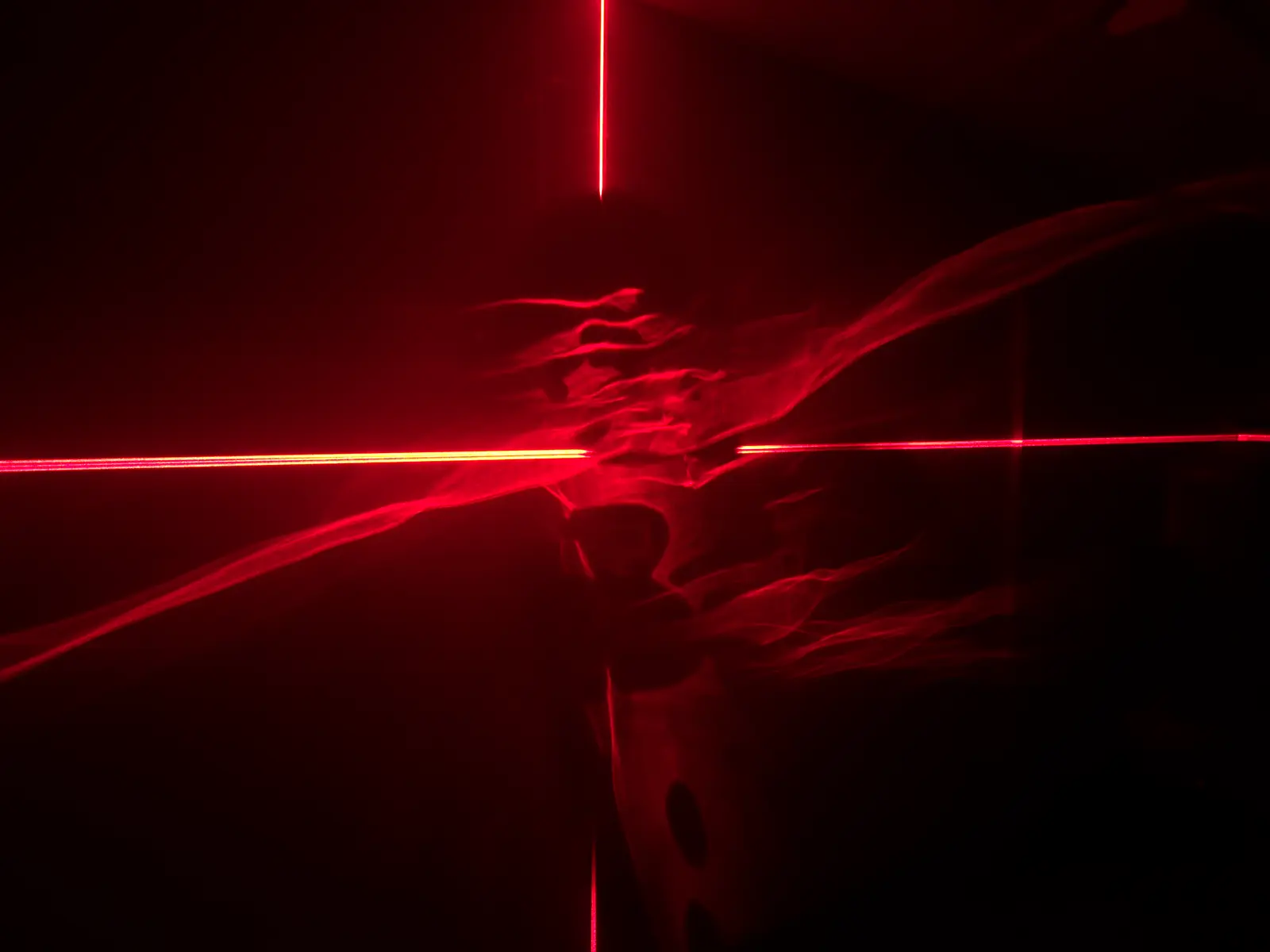
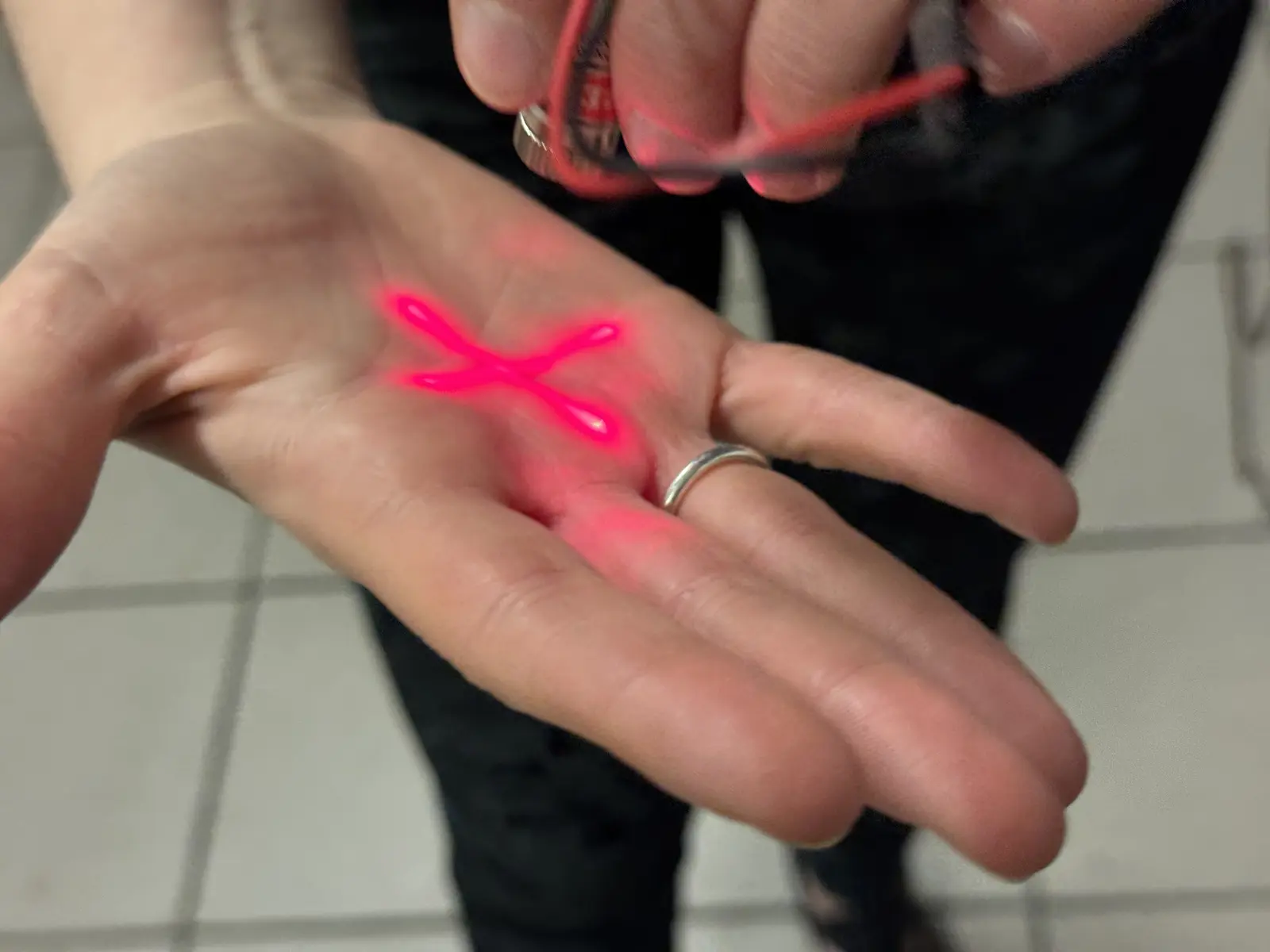
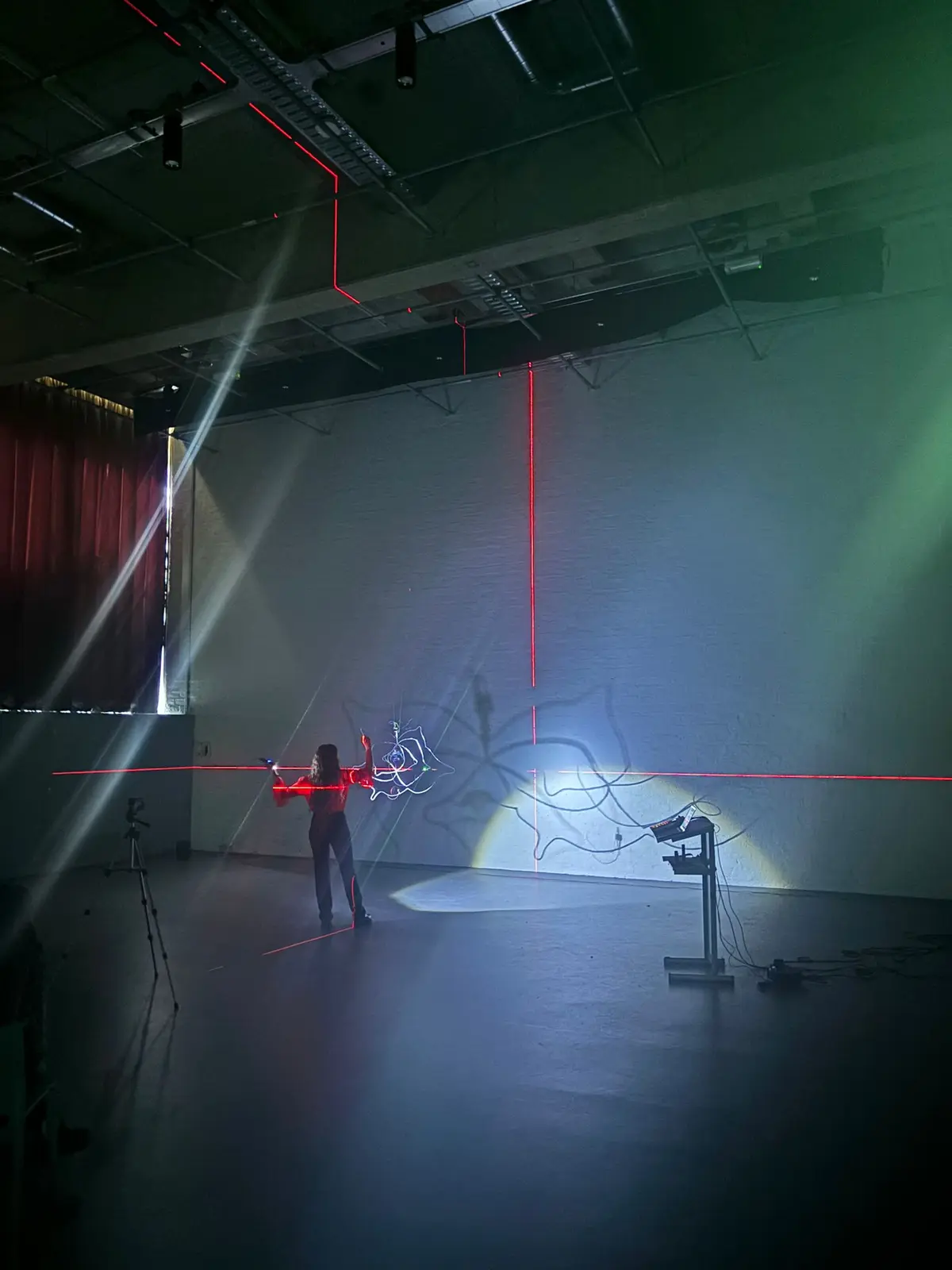
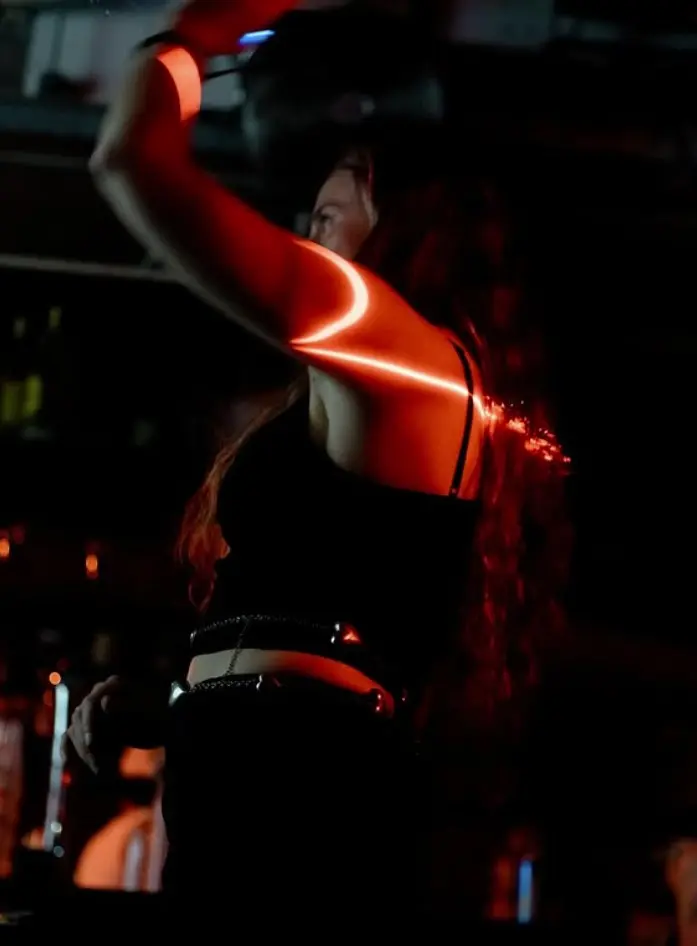
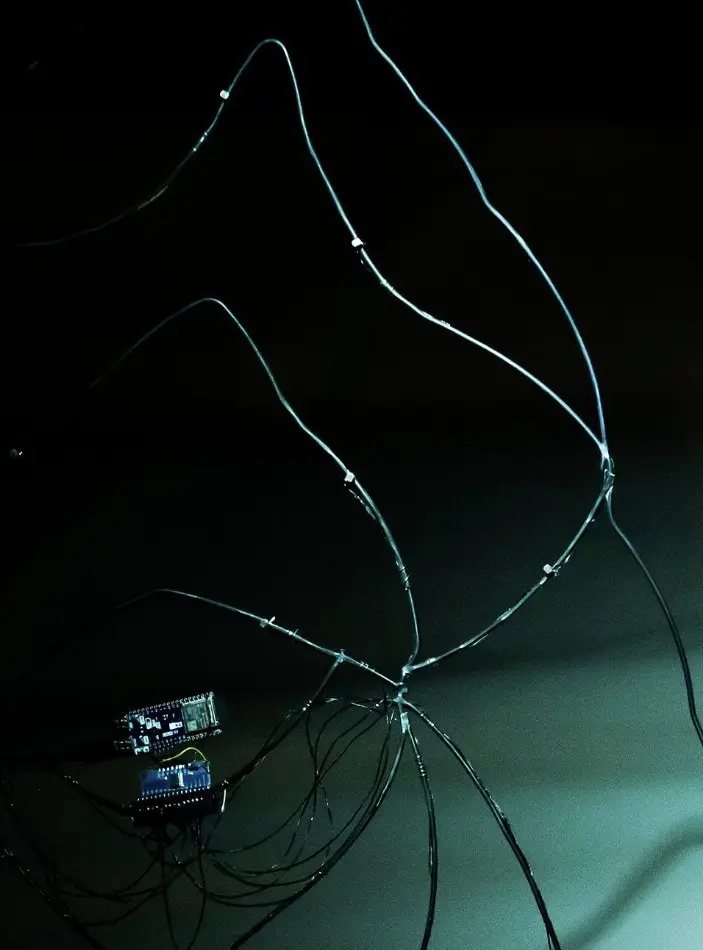
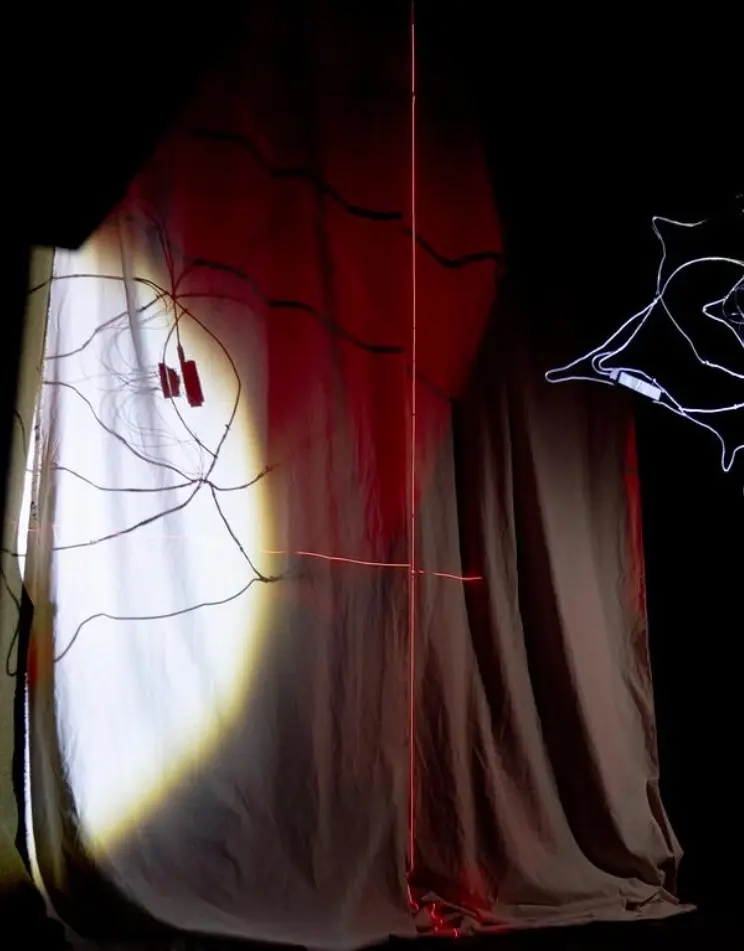
My artistic practice allows me to reinvent the experimental approach I cultivated as a physicist in the lab. I am particularly drawn to concepts and ideas that belong to philosophy and social science. Therefore the practice is constantly negotiating with academic research in these fields. In Reality comes in waves I show research through performance and installation: light is transduced to sound. Central, however, is the dialogue between the performative gesture and the listener. It is there that the physics experiment expands to meet perception and emotion. I am interested in the concept of individuation (derived from Simondon), as constant transformation, in the material and immaterial (re-)configurations that are mediated by technical objects. I did my MFA at the Sandberg Institute in Amsterdam (Artificial Times, 2023 to 2025), graduating with Reality comes in waves, and in 2026 joined the Postnatural Independent Programme of the Institute of Postnatural Studies in Madrid.
- 2026
Reality comes in waves – transducing the subject talk at the conference Bodies as Transducers, Orpheus Instituut, Ghent, 5 November event
- 2026
Un sonido por venir closing presentation of the Postnatural Independent Programme, La Casa Encendida, Madrid event
- 2026
Postnatural Independent Programme Institute of Postnatural Studies, Madrid
- 2025
Fruiting Bodies residency, Massia, Estonia
- 2025
Reality comes in waves MFA graduation, Artificial Times, Sandberg Institute, Amsterdam work review Artificial Times
- 2025
Faramita performance, OT301, Amsterdam info
- 2025
Zero(one) exhibition and performance, Thomaskerk, Amsterdam
- 2025
Rewire 2025 performance, Grey Space, The Hague
- 2025
Suburbia performance, Garage Noord, Amsterdam
- 2025
Performance Jedna Dva Tři gallery, Prague
- 2024
Rewire 2024 performance, Grey Space, The Hague
- 2024
It’s not that far exhibition and performance with Artificial Times, Het HEM, Zaandam info
Physics
PhD 2016 to 2020 · Postdoc 2021 to 2022
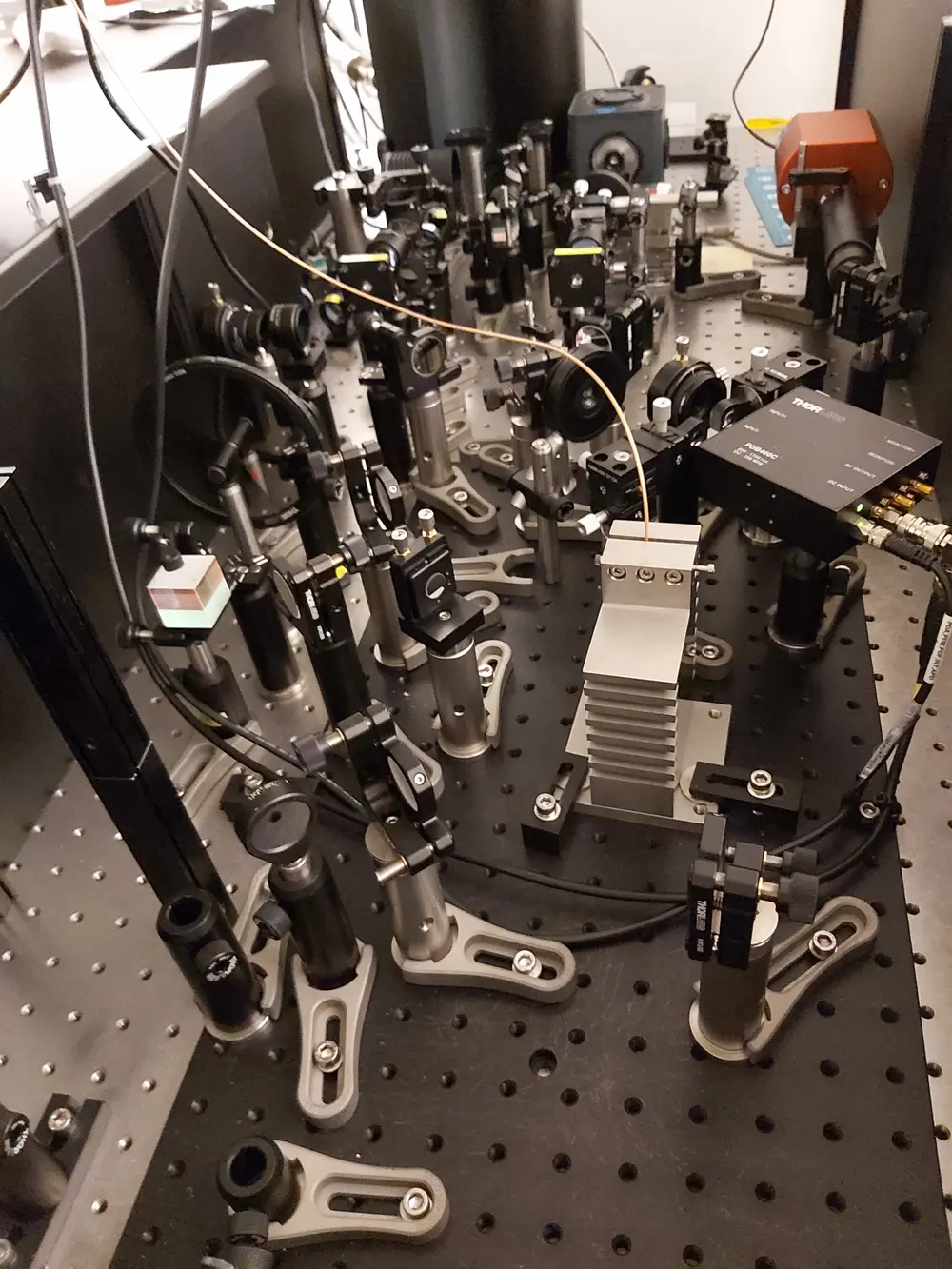
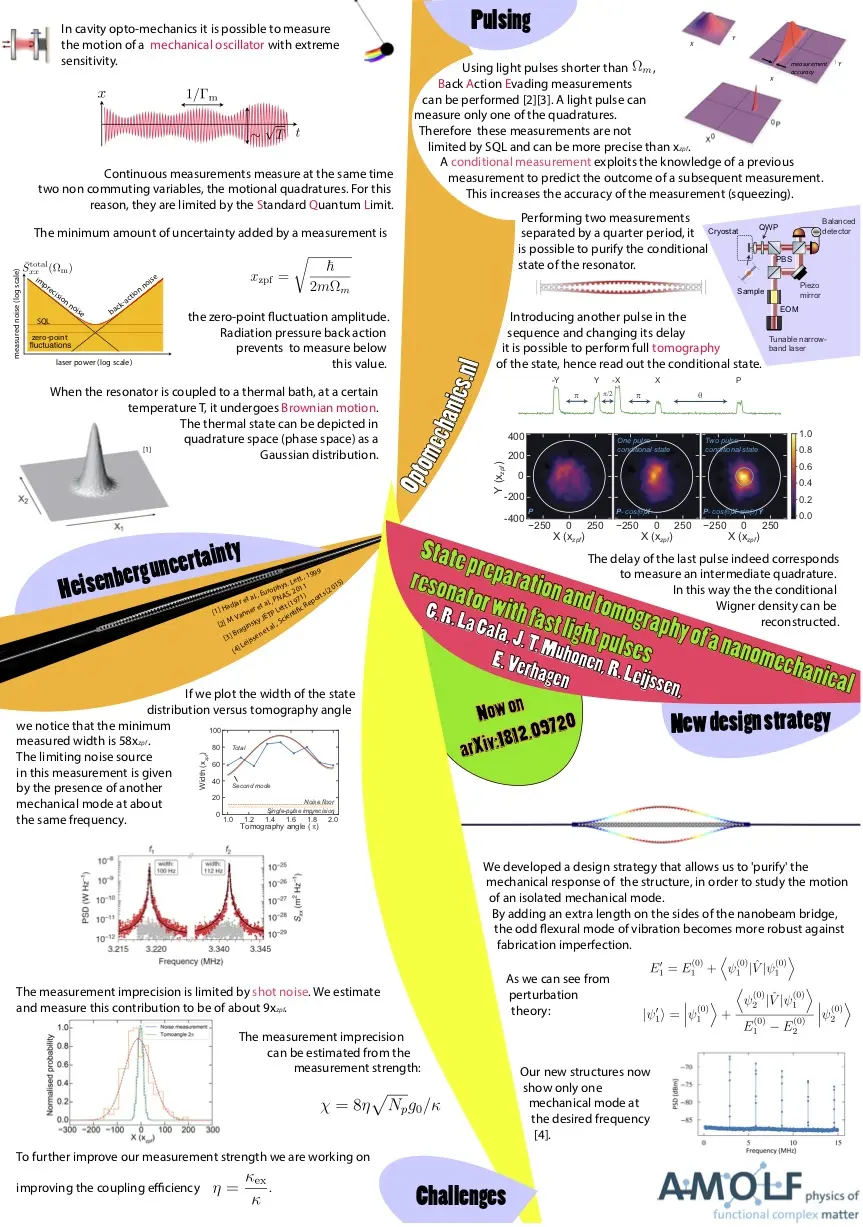
How do you look at something without disturbing it? Close to the quantum regime, every measurement changes what it measures. My PhD at AMOLF, in the Photonic Forces group, worked near that limit: I built tiny vibrating beams, used laser light to measure them, and tried to quickly glance at their motion so that it wouldn't be disturbed. Even thermal noise became a signal, written into the light that left them. During a one-year postdoctoral fellowship at the Italian Institute of Technology (2021 to 2022), I contributed to the development of nanopore sensing technologies exploiting anti-Stokes Raman scattering, aimed at sequencing single proteins.
- 2023
Quadrature-averaged homodyne detection for estimating cavity parameters Physical Review Applied doi arxiv
- 2022
Nanomechanical design strategy for single-mode optomechanical measurement Journal of Physics D doi
- 2020
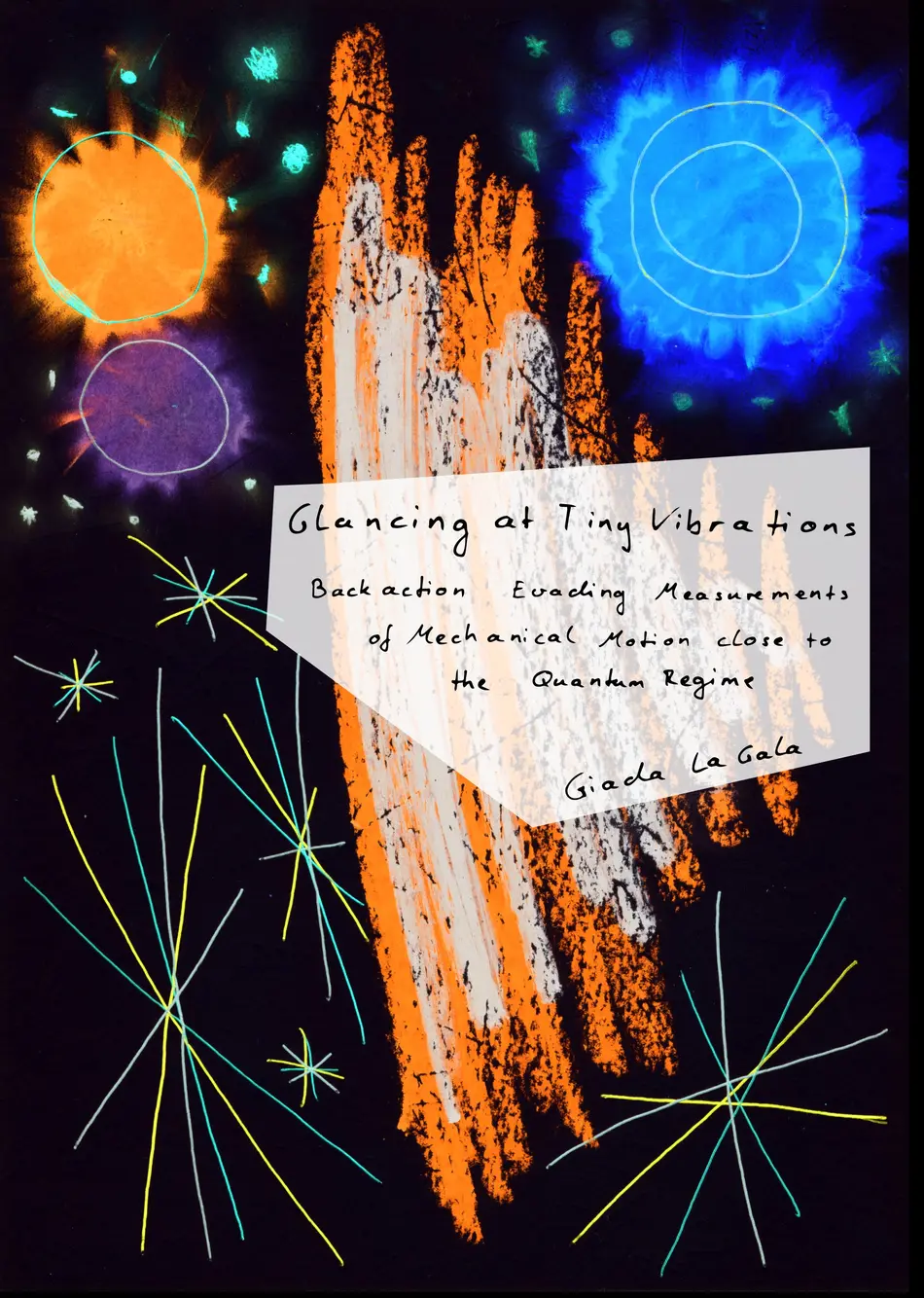
Glancing at tiny vibrations: backaction evading measurements of mechanical motion close to the quantum regime PhD thesis, TU Eindhoven / AMOLF thesis
- 2019
State preparation and tomography of a nanomechanical resonator with fast light pulses Physical Review Letters doi arxiv
- 2017
Nonlinear cavity optomechanics with nanomechanical thermal fluctuations Nature Communications doi
Writing
in progress
I am writing a paper in media studies on "quantum" as a polysemy. A draft is available on request.
- 2026
Quantum as polysemy paper in media studies, in preparation ask for draft
Collectives
ongoing
I care for collective projects that bring feminist values and practices to how we do, un-do and re-do our relationship with technology. I am close to the free software community and I am part of a collective hacklab, where we redacted (come and see) and redacted (ask in person).
- 2026
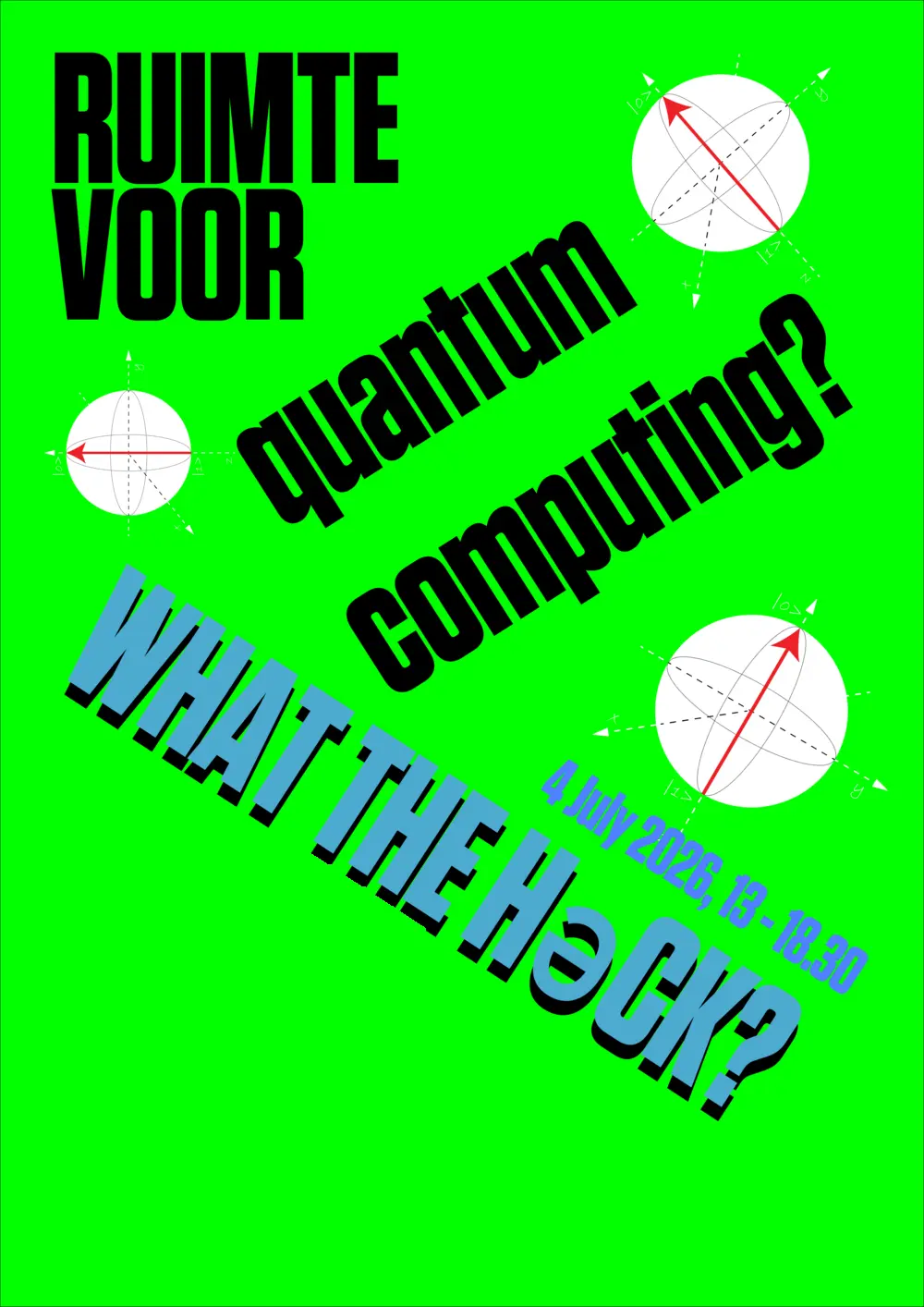
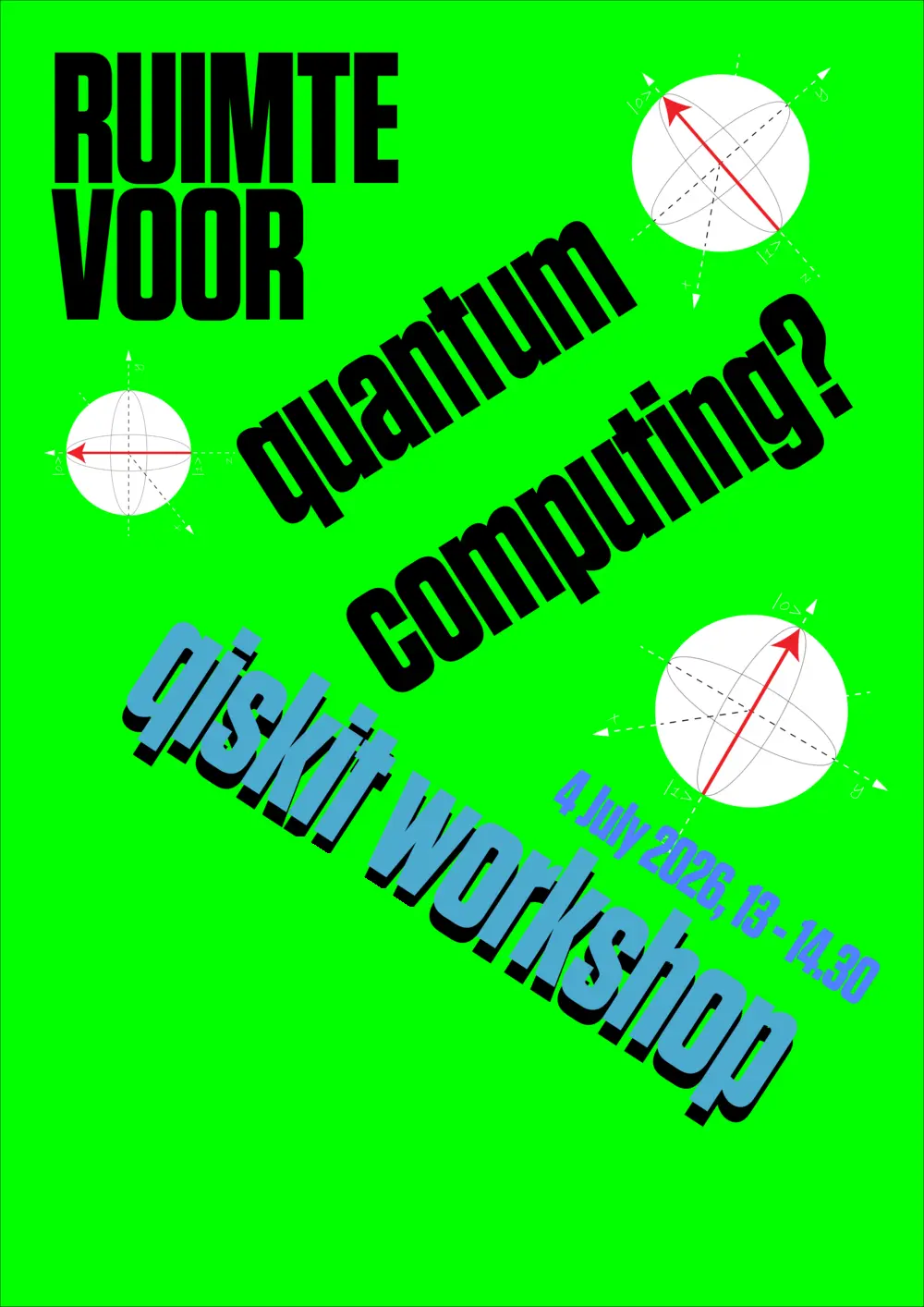
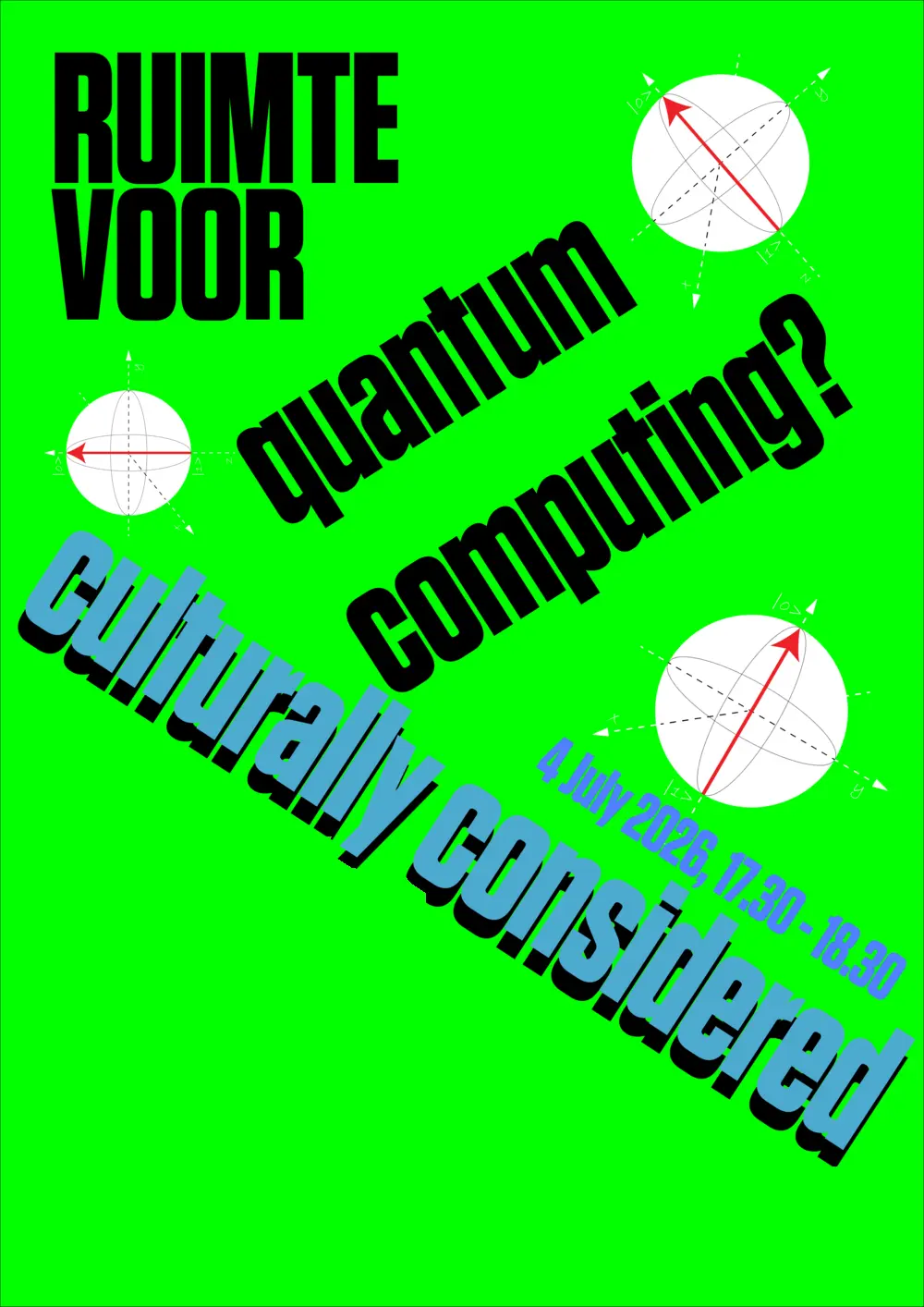
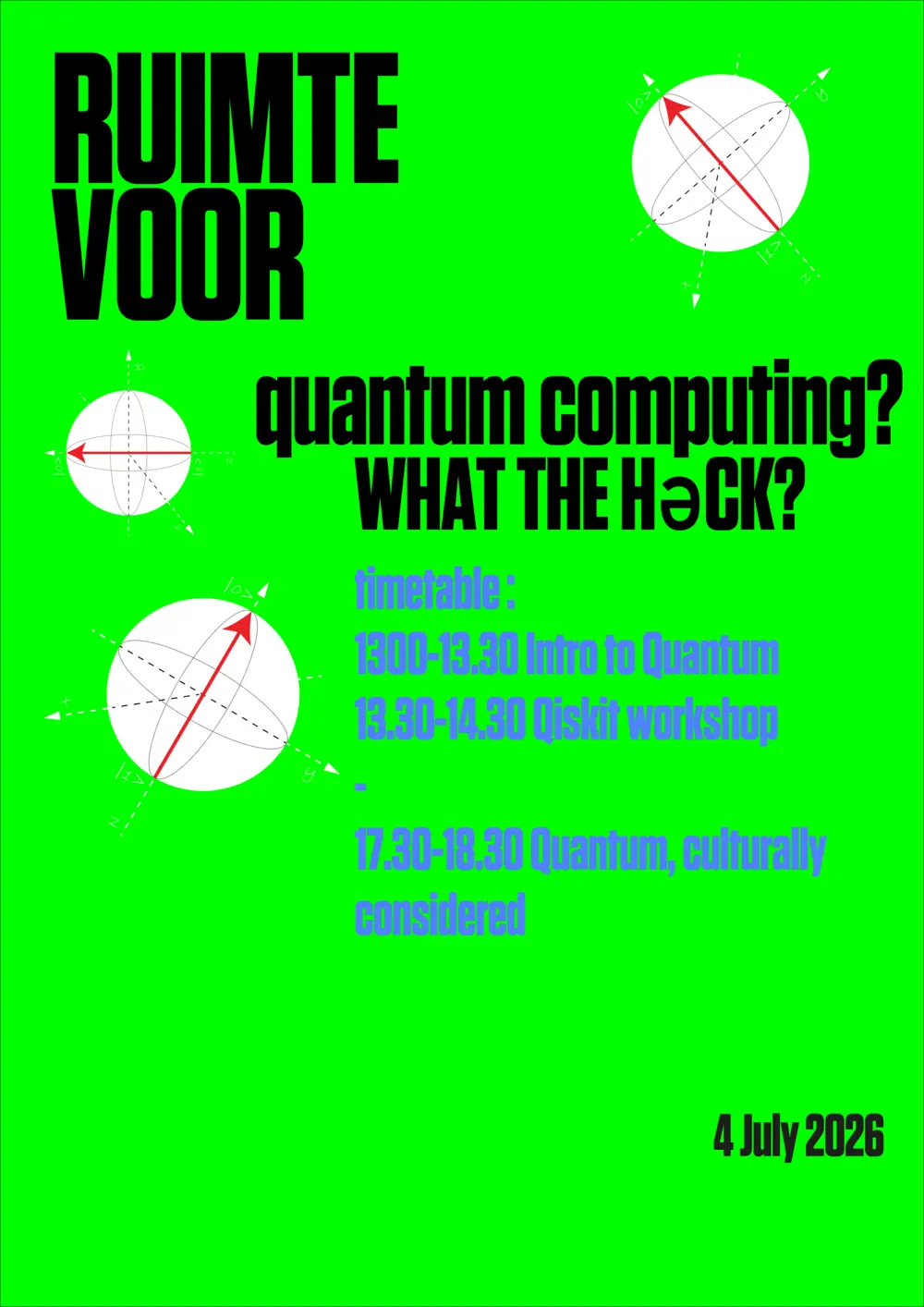
Quantum computing? What the hǝck? introduction to quantum computing and Qiskit workshop (with Koen Leijnse), then an assembly: quantum, culturally considered. [tbd] schedule
Write to me
About the front page
The top of this page is a small drawing of quantum waves you can touch.
For the full explanation and interactions, visit this website in a browser on a computer.
Your device is set to reduce motion, so the drawing stays still. Turn that setting off to see it move and to touch it. If this doesn't help, switch to a browser view on a computer.
What you see
Each blob of light is the wave of a cold atom, sitting in its own tiny trap. Together they behave as one wave spread over all the traps, so neighbours can interfere. The traps sit on a quasicrystal: a pattern with five-fold symmetry that is ordered but never repeats, famous for its five-fold diffraction. Its points are the corners of a Penrose tiling, the pattern Roger Penrose found in the 1970s: two kinds of rhombus that cover the plane without ever repeating.
When the page opens the atoms are hot. A hot atom is a mixture of many states, a pale blur without a definite phase. As they cool, a growing part of each settles into one coherent wave, and colour appears: it shows the phase of the wave. Once they are cold, moving the cursormoving your finger kicks them: the waves near it get a push, tilt into stripes and interfere with their neighbours, and the motion spreads to the waves around them before they settle again. Everything you do is mirrored five times around the centre.
The physics
A hot atom is a thermal mixture: a statistical mix of many waves with random phases, so it is not a single wave with a phase. As it cools, a coherent fraction f grows, until the mixture becomes a pure state, which has a phase. Even then the wave keeps a width σ₀, because a quantum particle cannot sit still at a single point. Brightness shows where an atom is likely to be found, |Ψ|²; colour shows the phase of its wave, arg Ψ.
n(r) = f |Ψc(r)|² + (1−f) Σj gT(r−rj) · f = 1 − (T/Tc)²
Ψ(r,t) = Σj e−|r−rj|²/2σ² ei(k·(r−rj) − ωt)
ΔE = ħΩ [ (σ/σ0)² + (σ0/σ)² + (kσ0)² ] / 2 − ħΩ
This is a drawing made with the equations of quantum mechanics, not a simulation: the formulas are real, the timing is choreographed. The cooling follows a prescribed curve, the settling after a kick is a smooth fade, and the fraction f is borrowed from Bose–Einstein condensation, where many atoms share one wave. Interference happens with light and water too. The more specifically quantum parts are reading the wave as a probability, the width that remains at zero temperature, and the difference between a mixture and a pure state.
Below are three smaller versions of the experiment, each showing one idea on its own. Move the cursor over themTouch them, or press restart.
Heat
The atoms arrive hot and cool down, as at the top of the page, and the cursoryour finger heats them up again: they turn back into a pale mixture without a phase. The heat spreads to their neighbours, and when you stop they cool down again.
Kick
No temperature at all: every atom starts in its lowest-energy state, a pure wave at rest. The cursorYour finger kicks them, and ΔE shows the energy of the most excited one.
Release
The traps switch off. Each wave spreads freely, overlaps its neighbours and interferes with them. Then the expansion runs backwards and the waves refocus into their traps. The cursorYour finger releases the atoms near it.
Running the expansion backwards stands in for what a lab would do: switch the traps back on and cool. Spreading waves get fainter, so the brightness is rescaled, like a camera's auto-exposure. The same formula also describes a laser beam spreading out.